

Building a wardrobe does not mean filling your closet with dozens of clothes. In fact, having fewer pieces that work well together can make getting dressed much easier. Learning how to build a capsule wardrobe can help you create a practical collection of clothes that suits your lifestyle, personal style, and daily routine. The goal is simple: choose versatile pieces you enjoy wearing and make sure they can be mixed and matched in different ways.
A well-planned capsule wardrobe can also reduce decision fatigue, save money, and help you avoid buying clothes you rarely wear. Whether you are starting from scratch or simply want to simplify your closet, a few thoughtful changes can make a big difference.
What Is a Capsule Wardrobe?
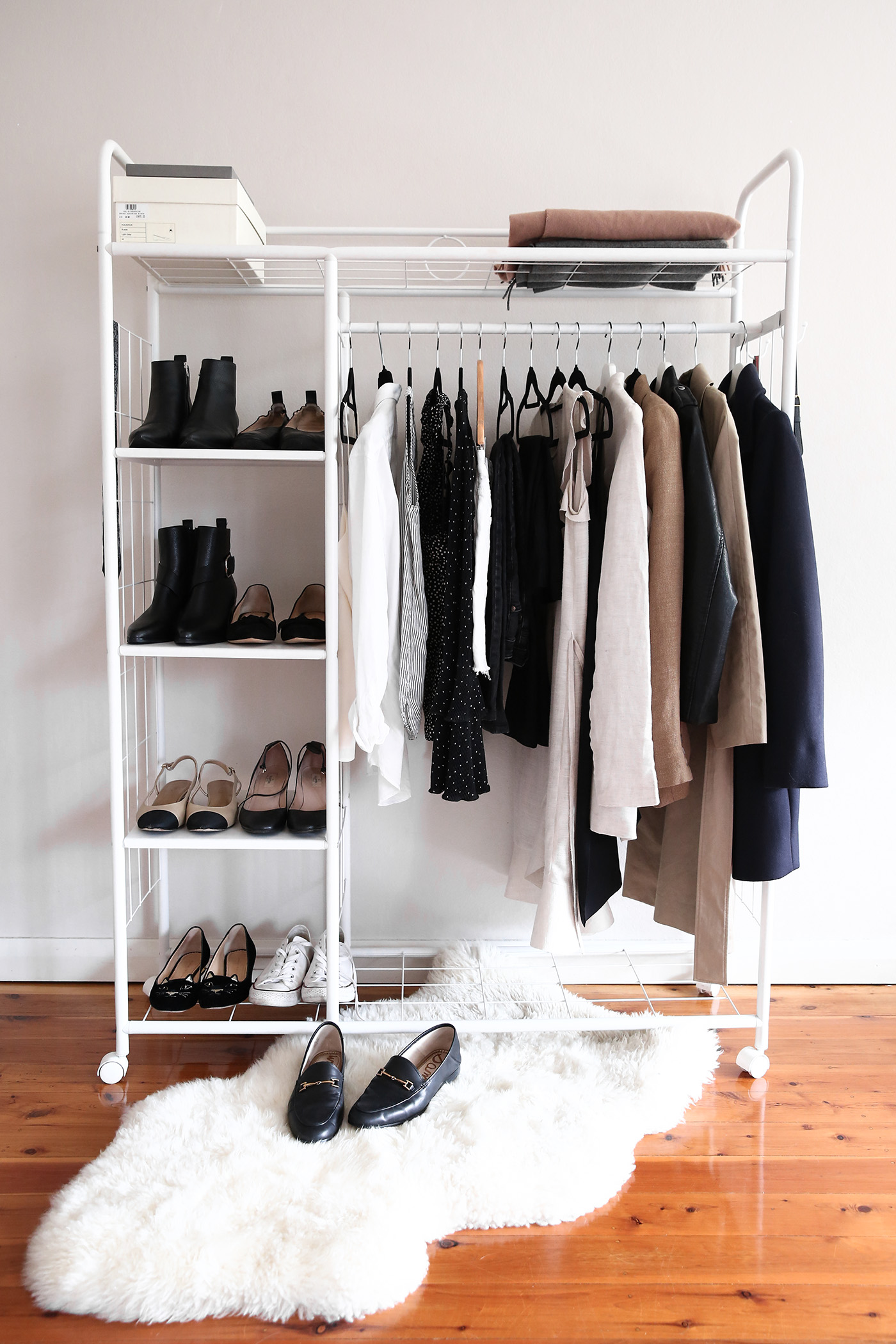
A capsule wardrobe is a small, carefully selected collection of clothing that can be combined into many different outfits. Instead of focusing on the number of items, the idea is to focus on versatility, comfort, quality, and personal style.
There is no universal number of pieces a capsule wardrobe must contain. Some people prefer around 20 to 30 main clothing items, while others need more because of their job, climate, hobbies, or lifestyle.
The most important thing is that your clothes work together. A good capsule wardrobe should include everyday basics, a few statement pieces, suitable footwear, and clothing for the situations you regularly face.
How to Build a Capsule Wardrobe Step by Step
Creating a capsule wardrobe becomes much easier when you approach it in stages. Rather than removing everything from your closet at once, take some time to understand what you actually wear.
1. Assess Your Current Wardrobe
Start by taking everything out of your closet or reviewing each item carefully. Look at your shirts, tops, pants, skirts, dresses, jackets, shoes, and other frequently worn pieces.
Ask yourself a few simple questions:
Do I wear this regularly?
Does it fit properly?
Is it comfortable?
Does it match other clothes I own?
Would I buy it again today?
If you have not worn something for a long time and it does not serve a specific purpose, consider moving it out of your main wardrobe.
However, do not force yourself to throw away clothes immediately. You can create a separate storage area for items you are unsure about and review them later.
2. Define Your Personal Style
A capsule wardrobe should reflect you rather than follow every fashion trend. Before buying anything new, think about the styles, colors, and silhouettes you naturally enjoy.
For example, you may prefer a minimalist wardrobe with neutral colors and clean lines. Someone else may enjoy relaxed denim, bright colors, feminine dresses, or classic tailoring.
Look at your favorite outfits and identify patterns. You may notice that you repeatedly choose certain colors, fabrics, or clothing shapes. These observations can help you build a more consistent wardrobe.
3. Consider Your Lifestyle
Your wardrobe needs to match your real life.
If you work in an office, you may need tailored trousers, shirts, blazers, and polished shoes. If you work from home, comfortable basics may be more useful. Someone who travels frequently may need lightweight layers and wrinkle-resistant clothing.
Think about how you spend most of your week. Your capsule collection should prioritize those activities instead of an imaginary lifestyle.
Also consider your local weather. A wardrobe for a hot climate will look very different from one designed for cold winters.
4. Choose a Neutral Base
Neutral colors make mixing and matching much easier. Black, white, navy, gray, beige, cream, brown, and denim can provide a strong foundation.
You do not need to use every neutral shade. Choose two or three that work well with your complexion and existing clothes.
For example, black trousers can work with several tops, while a cream sweater can pair with denim, brown trousers, or a neutral skirt. This flexibility allows you to create more outfits from fewer pieces.
5. Add a Few Accent Colors
A capsule wardrobe does not have to be boring. Once you have your neutral foundation, introduce a few colors that complement it.
You might choose burgundy, olive, blue, pink, rust, or another shade you enjoy. Accent colors can appear in tops, knitwear, scarves, handbags, or other accessories.
The key is balance. If every item has a different color or bold pattern, creating coordinated outfits becomes harder.
6. Prioritize Versatile Basics
Versatile basics form the backbone of a capsule wardrobe. These pieces should be easy to style and suitable for several occasions.
Useful staples may include:
A well-fitting pair of jeans
A simple white or neutral T-shirt
A button-down shirt
A comfortable sweater
A pair of tailored trousers
A casual jacket or blazer
A versatile dress
A neutral skirt
A lightweight layer
Comfortable everyday shoes
The exact list depends on your lifestyle. You do not need to own every item. Choose pieces that solve actual dressing needs.
7. Focus on Fit and Fabric
A basic item becomes much more useful when it fits well and feels comfortable. Before buying something, pay attention to the shoulder position, sleeve length, waistband, rise, and overall shape.
Fabric matters too. Natural fibers such as cotton, linen, and wool can be useful in many wardrobes, while modern blends can offer durability, stretch, or easier care.
You do not always need to choose the most expensive option. Instead, look for clothing that feels comfortable, holds its shape, and suits how often you plan to wear it.
8. Build Outfits, Not Just a Clothing List
One common mistake is choosing individual pieces without considering complete outfits. Instead, test combinations before adding something to your capsule collection.
For example, a pair of trousers should ideally work with several tops and at least one jacket or sweater. A dress should be wearable with different shoes or layers if you want more styling options.
Try creating at least three outfits from each major clothing item. If a piece only works with one specific item, think carefully about whether it deserves space in your core wardrobe.
Create Seasonal Capsules
You do not have to keep every piece of clothing in your closet all year. Seasonal rotation can make a capsule wardrobe easier to manage.
During warmer months, you might store heavy coats and thick sweaters while keeping lightweight shirts, linen trousers, dresses, and sandals accessible.
When temperatures drop, rotate those pieces out and bring back coats, knitwear, boots, and warmer layers.
This approach keeps your everyday wardrobe manageable while still giving you enough options throughout the year.
Avoid Common Capsule Wardrobe Mistakes
Trying to create a perfect wardrobe overnight can lead to unnecessary shopping. Give yourself time to understand what is missing.
Another mistake is buying basics simply because they are considered essential. A white shirt is not useful if you rarely wear shirts. Similarly, owning several pairs of jeans does not make sense if you prefer dresses or trousers.
Avoid following strict capsule wardrobe rules too closely. Your wardrobe should support your lifestyle rather than make you feel restricted.
Finally, do not remove sentimental or special-occasion clothing simply because it does not fit your everyday capsule. Keep those items separately if they have personal value or serve a specific purpose.
How to Maintain a Capsule Wardrobe
Once you have created your collection, maintenance becomes important. Before buying a new item, consider whether it works with several pieces you already own.
A useful rule is to ask whether the new item adds something genuinely useful. If it is almost identical to something you already have, you may not need it.
Regularly check your wardrobe for worn-out, uncomfortable, or rarely used pieces. Repair clothing when possible and replace items when they no longer serve their purpose.
You can also keep a simple list of wardrobe gaps. This helps you shop with intention instead of making impulse purchases.
Benefits of a Capsule Wardrobe
A thoughtfully planned capsule wardrobe can make everyday dressing simpler. Since most pieces coordinate with one another, you can put outfits together faster.
It may also help you spend less over time because you are more likely to think carefully before making purchases. Instead of chasing every new trend, you can invest in clothing that works with what you already own.
There is also a practical benefit. A smaller, organized wardrobe makes it easier to see what you have and identify what you actually need.
The Bigger Goal: Wear What You Own
The purpose of a capsule wardrobe is not to reach a specific number of clothes. It is to create a wardrobe that feels useful, comfortable, and personal.
When learning how to build a capsule wardrobe, focus on your real lifestyle rather than copying someone else’s closet. Choose pieces you enjoy wearing, make sure they coordinate, and leave room for your personal taste.
A strong capsule wardrobe should make dressing easier, not create another set of rules to follow. Start with the clothes you already love, identify the gaps, and build slowly. Over time, you can create a closet where fewer pieces provide more outfit possibilities.
Conclusion
A capsule wardrobe is ultimately about being intentional with your clothing. By assessing your current closet, defining your style, choosing versatile basics, and considering your lifestyle, you can create a collection that works for you.
You do not need a huge budget or a perfectly minimalist closet. Start small, focus on clothes you genuinely wear, and make thoughtful additions when necessary. With the right approach, a simpler wardrobe can give you more outfit options while making your daily routine much easier.

